
November 19, 2026
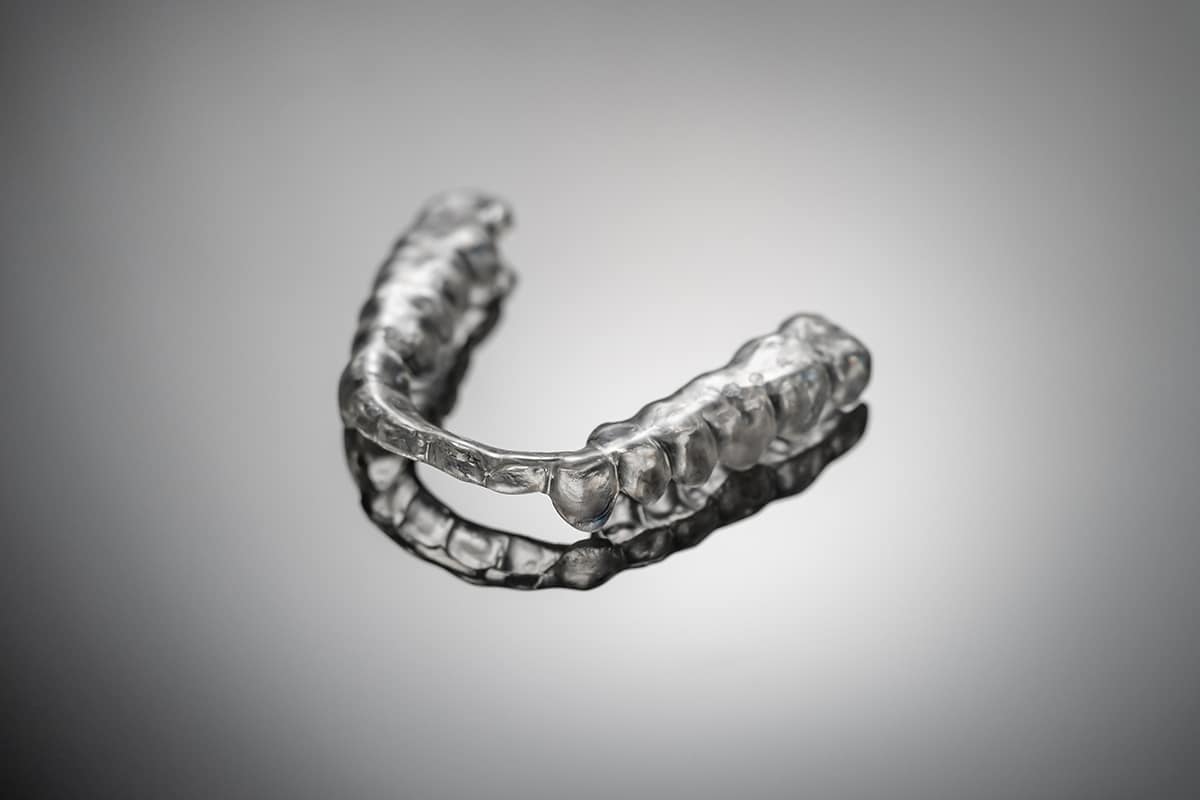
If you wake up with a sore jaw, a dull headache, or teeth that feel tender for no clear reason, you may be grinding or clenching while you sleep. Teeth grinding, known clinically as bruxism, is surprisingly common, and many people never realize they do it until a partner hears it or a dentist spots the wear. One of the first solutions people hear about is a nightguard. But does a nightguard actually stop grinding, or does it do something else entirely?
At our practice, we get this question often. The honest answer is a little more nuanced than a simple yes or no, and understanding the difference can help you make better decisions about your oral health.
What Is Bruxism?
Bruxism is the habitual grinding, gnashing, or clenching of the teeth. It comes in two main forms. Awake bruxism usually involves clenching during the day, often during periods of concentration or stress. Sleep bruxism happens at night and is classified as a sleep-related movement disorder.
Sleep bruxism tends to be the more damaging of the two because you have no conscious control over it. The forces involved can be far greater than those used during normal chewing, and episodes can repeat many times throughout the night. Over months and years, this can lead to:
- Worn, flattened, or chipped teeth
- Cracked fillings, crowns, or veneers
- Increased tooth sensitivity
- Jaw pain, stiffness, or clicking
- Morning headaches, especially around the temples
- Enlarged or tired jaw muscles
Do Nightguards Stop Teeth Grinding?
Here is the short answer that surprises many patients: in most cases, a nightguard does not stop you from grinding. Instead, it protects your teeth from the effects of grinding.
Research on this question has been fairly consistent. Systematic reviews of occlusal splints, the clinical term for nightguards, have generally found that there is not strong evidence that they reliably reduce the underlying grinding behavior over the long term. Some sleep studies have shown a temporary drop in jaw muscle activity when a person first starts wearing a splint, but that effect often fades as the body adjusts. Interestingly, some research has suggested that soft, over-the-counter guards may even encourage more chewing activity in certain people, since the soft material can feel like something to bite into.
This makes sense when you consider what causes sleep bruxism. It is largely driven by the brain and nervous system, not by the teeth themselves. Grinding episodes are frequently linked to brief arousals during sleep, and they are associated with factors such as:
- Stress and anxiety
- Sleep-disordered breathing, including obstructive sleep apnea
- Caffeine, alcohol, and tobacco use
- Certain medications, including some antidepressants
- Genetics and family history
Because a nightguard sits on the teeth rather than addressing these root causes, it is best viewed as a protective tool rather than a cure.
So Why Do Dentists Still Recommend Nightguards?
If nightguards do not stop grinding, why are they still one of the most common treatments we recommend? Because protection matters a great deal.
Tooth enamel does not grow back. Once it is worn away, the damage is permanent and often requires restorative treatment such as crowns, bonding, or in severe cases, root canal therapy. A well-made nightguard creates a durable barrier between your upper and lower teeth, so the grinding forces wear down the guard instead of your natural enamel.
A properly designed nightguard can also:
- Distribute biting forces more evenly across the teeth
- Reduce strain on the jaw joints and muscles
- Help ease morning jaw soreness and tension headaches for many patients
- Protect existing dental work from cracks and fractures
- Give us a way to monitor grinding over time, since wear patterns on the guard show how active the habit is
In other words, a nightguard is a bit like a helmet. It does not stop the impact from happening, but it significantly reduces the damage.
Custom Nightguards vs. Over-the-Counter Options
Not all nightguards are created equal. Drugstore guards, including boil-and-bite styles, are inexpensive and easy to find, but they come with real drawbacks. They tend to be bulky, they may not fit evenly, and the soft material can wear through quickly in people who grind heavily. A poor fit can even shift bite forces in ways that aggravate jaw discomfort.
A custom nightguard is made from precise impressions or digital scans of your teeth. This allows us to create a guard that:
- Fits snugly and comfortably without excess bulk
- Uses durable, dentist-grade materials designed for heavy grinding
- Supports a balanced bite to reduce strain on the jaw
- Stays in place throughout the night
- Lasts considerably longer than most store-bought options
Comfort plays a big role in success. A guard you actually wear every night will always outperform one that ends up in a drawer.
Addressing the Causes of Grinding
Since nightguards protect rather than cure, we often recommend pairing one with strategies that target the underlying triggers. Depending on your situation, these may include:
- Stress management. Relaxation techniques, regular exercise, and a calming bedtime routine can help reduce the tension that fuels grinding.
- Evaluating your sleep. If you snore, wake up tired, or have been told you stop breathing at night, a sleep evaluation may be worthwhile. Treating sleep apnea can reduce grinding in some patients.
- Lifestyle changes. Cutting back on caffeine and alcohol, particularly in the evening, and avoiding tobacco can make a noticeable difference.
- Medication review. If grinding began after starting a new medication, it may be worth discussing with your physician.
- Daytime awareness. For awake clenching, simply noticing when your teeth are touching and relaxing your jaw can help retrain the habit. At rest, your lips should be together and your teeth slightly apart.
Our Approach to Protecting Your Smile
At our practice, we see a nightguard as one important piece of a bigger picture. During your visit, we look for signs of grinding such as enamel wear, small fractures, gum recession, and muscle tenderness. We talk with you about your symptoms, sleep habits, and stress levels so we can understand what may be contributing to the problem.
If a nightguard is a good fit, we create one tailored to your mouth and check its fit and comfort carefully. At follow-up visits, we examine the guard for wear patterns and make adjustments as needed. When signs point toward a deeper issue, such as a possible sleep disorder, we can help guide you toward the right next steps. Our goal is simple: to keep your teeth strong and your jaw comfortable for years to come.
Frequently Asked Questions About Nightguards and Teeth Grinding
Will a nightguard cure my bruxism?
In most cases, no. Research suggests nightguards do not reliably stop grinding over the long term. Their main job is to protect your teeth and dental work from damage while you address the underlying causes.
How do I know if I grind my teeth at night?
Common signs include waking with jaw soreness or headaches, tooth sensitivity, flattened or chipped teeth, and a partner noticing grinding sounds. A dental exam can often confirm bruxism by revealing characteristic wear patterns.
Is a custom nightguard really better than a store-bought one?
For most people, yes. A custom guard fits more precisely, is made from more durable material, and is more comfortable to wear consistently. Store-bought guards can be bulky and may wear through quickly in heavy grinders.
How long does a custom nightguard last?
It depends on how heavily you grind and how well you care for it, but many custom guards last several years. We check your guard at regular visits and let you know when it is time for a replacement.
How should I clean and care for my nightguard?
Rinse it after each use, brush it gently with a soft toothbrush and mild soap, and let it dry before storing it in its case. Avoid hot water, which can warp the material, and bring it to your dental visits so we can inspect it.
Ryan Senft, DDS provides comprehensive, patient-centered dental care in Cupertino, helping patients protect their smiles with personalized treatment and modern technology. If you think you may be grinding your teeth, contact us today to schedule a visit and find out whether a custom nightguard is right for you.