September 30, 2026
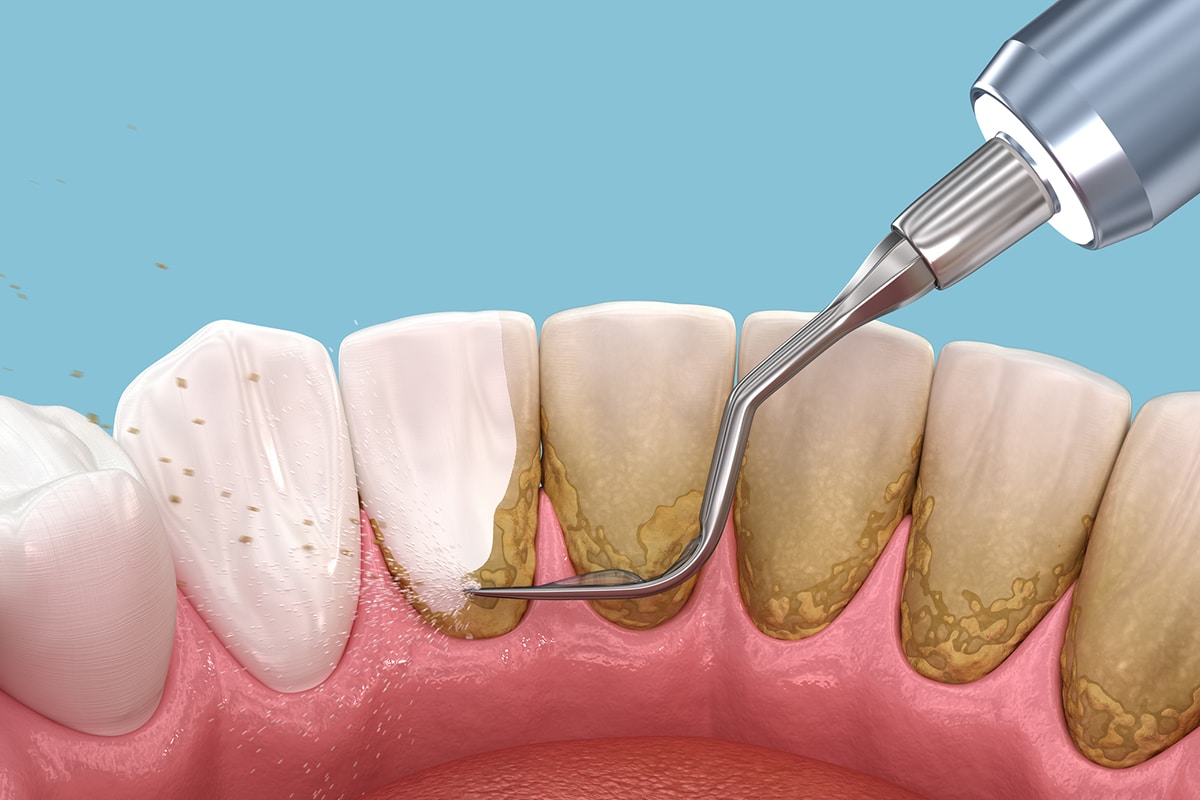
Are you in need of a deep dental cleaning? Scaling and root planing, the scientific terms for the two parts of this procedure, are commonly used to treat gum disease. Patients often fear scaling and root planing for a variety of reasons, but in most cases it is merely fear of the unknown.
In this article we will explain scaling and root planing in detail, including comfort and recovery, to help patients who are feeling anxious about their upcoming deep cleaning. With the help of modern numbing techniques the procedure is far more comfortable than patients expect.
What Is Scaling and Root Planing?
A deep cleaning consists of two parts:
- Scaling. This refers to the removal of plaque and calculus (hardened plaque) from the surface of the teeth, including the crown of the tooth that is visible above the gumline, and the roots that are below the gumline.
- Root planing. Following scaling the roots of the teeth are often rough and uneven, so root planing is used to smooth the root surface and encourage the gum tissue to reattach more firmly.
A deep cleaning differs from a routine cleaning by reaching below the gumline to clean more thoroughly.
Does Scaling and Root Planing Hurt?
Pain is a common worry for patients because a deep cleaning involves reaching under the gums. In order to prevent discomfort, local anesthesia is used to numb the gum tissue before the cleaning process begins. There are a variety of factors that may affect the potential level of discomfort, such as the severity of your gum disease, the number of quadrants treated, and your individual pain tolerance. Talk to Dr. Senft about your concerns and a plan will be made to make you as comfortable as possible during your cleaning.
What to Expect After the Procedure
A short recovery period is normal following scaling and root planing. Common symptoms in the first 24-48 hours include soreness, sensitivity, and mild swelling. Over the counter pain relievers are typically effective at managing discomfort. It can also help to eat a soft diet to avoid irritating your gums. You can expect to have mild symptoms anywhere from 2-7 days. If discomfort persists longer than a week, or if you experience any unusual symptoms, contact us for further assistance.
Tips for a Smoother Recovery
- Over-the-counter pain relief. We recommend taking over the counter anti-inflammatory pain medication, such as ibuprofen. This reduces the swelling and inflammation that may occur.
- Foods to eat and avoid during recovery. Avoid foods that are crunchy, hard, sticky, or spicy. Also be sure to allow hot foods and beverages to cool before consuming.
- Oral hygiene tips post-treatment. It is safe to brush your teeth gently the night of your procedure. Be sure to rinse gently as well to avoid discomfort.
- Avoiding smoking or irritants during healing. Smoking, chewing tobacco, alcohol, and mouthwash are all potential irritants that should be avoided during recovery.
Why Scaling and Root Planing Is Worth It
Gum disease may begin as a mild condition, but without treatment it can progress to be much more serious. As gum disease worsens the gum tissue begins to pull away from the teeth and eventually the bone as well, leaving your teeth unsupported. Over time your teeth begin to loosen and even fall out.
The sooner you receive treatment, the easier gum disease is to treat. It is often reversible in the early stages with prompt treatment. Regular periodontal maintenance may be required to keep gum disease under control and prevent further progression.
At Ryan Senft, DDS we take a gentle, patient-focused approach to deep cleaning to support your comfort and ongoing oral health. Schedule a consultation today.
Frequently Asked Questions About Scaling and Root Planing
Is scaling and root planing painful during the procedure?
Most patients feel little to no pain during the procedure itself, since local anesthesia is used to numb the gums and surrounding tissue beforehand.
How long does soreness last after scaling and root planing?
Mild soreness or sensitivity typically lasts one to three days, though some patients feel back to normal within 24 hours.
Can I eat normally after the procedure?
It's best to stick to soft, lukewarm foods for the first day or two and avoid anything spicy, crunchy, or extremely hot or cold while your gums heal.
Will I need more than one visit?
Many patients need two visits to complete the procedure, treating one side of the mouth at a time, though this depends on the extent of gum disease present.
What happens if I skip scaling and root planing?
Untreated gum disease can progress, leading to deeper periodontal pockets, bone loss, and eventually tooth loss, making early treatment important.
Dr. Ryan Senft, DDS, offers gentle, effective periodontal care to patients throughout Cupertino and the Bay Area. Our team is committed to helping you achieve healthier gums with as much comfort as possible. If you have questions about scaling and root planing or want to schedule an evaluation, contact us today.