August 14, 2026
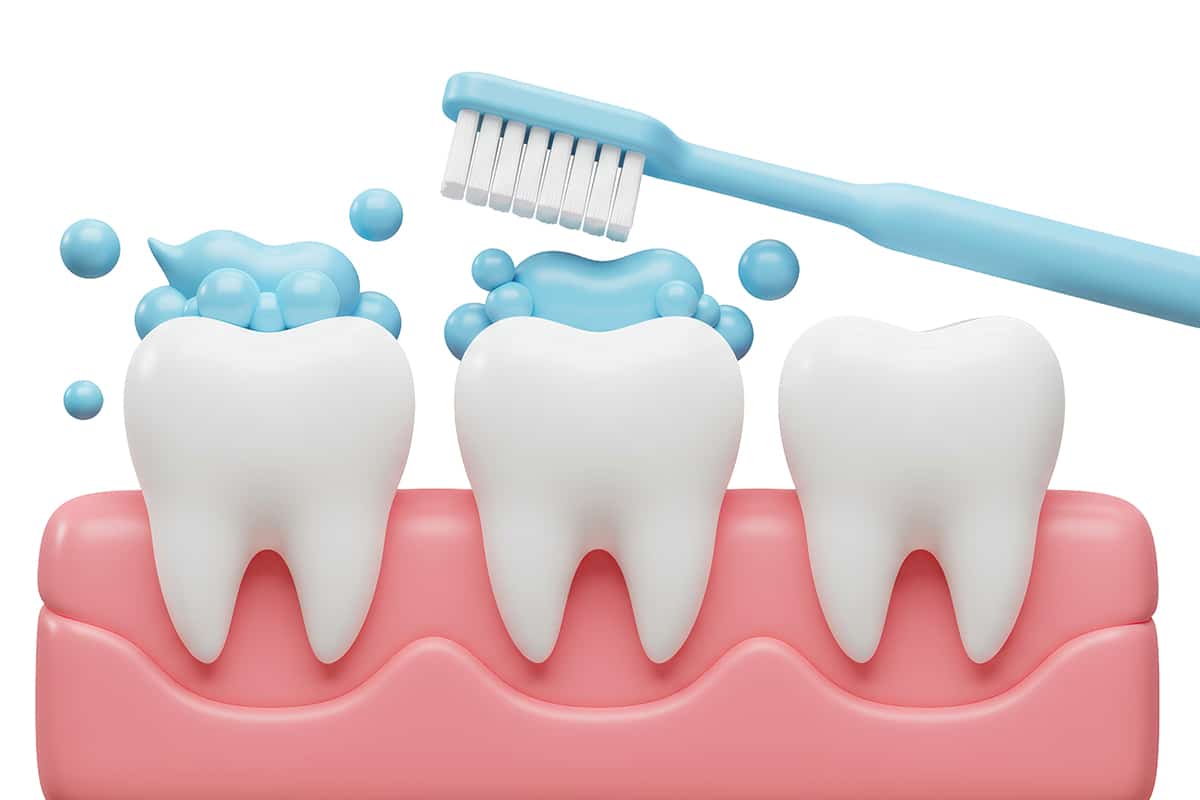
You may be aware that dental cleanings are an important part of a comprehensive preventive care routine. Removal of plaque and tartar helps to prevent tooth decay and gum disease, keeping your natural teeth and oral tissues healthy.
Many patients assume all dental cleanings are the same, but there are actually two different types: regular cleaning and scaling (deep cleaning). Regular dental cleanings are recommended for the average patient every 6 months. Scaling may be needed in cases of gum disease and may need to be done more often, such as every 3-4 months.
The right treatment depends on the health of your gums and supporting tissues. A simple oral evaluation can determine what type of cleaning you need.
What Is a Regular Dental Cleaning?
A regular dental cleaning is a routine process that involves the removal of plaque and tartar from the visible surface of the teeth above the gumline. A combination of hand tools and ultrasonic instruments are used to clean the teeth, then the enamel is polished until smooth. This process is typically performed by a dental hygienist, after which the dentist will provide an oral evaluation. Regular cleanings are typically recommended every 6 months for the average patient with a low risk of decay and gum disease.
What Is Scaling and Root Planing?
Scaling and root planing is a two-step process that is the first step in treatment for gum disease. Patients with gum disease develop plaque and tartar on the roots of their teeth below the gumline. Scaling is the process of cleaning under the gums to remove hardened plaque (tartar or calculus). Root planing smooths the root surface to encourage gum healing and reattachment. Scaling and root planing, also known as a deep cleaning, is recommended for patients with active gum disease on a customized schedule based on your individual needs.
How Dentists Decide Which Treatment You Need
A comprehensive oral evaluation is the first step in determining what type of dental cleaning you need. This includes a visual examination and may also include X-rays to evaluate bone structure.
Signs of gum disease include:
- Bleeding gums
- Red, swollen, or tender gums
- Deep pockets between the teeth and gums
- Receding gums
- Bone loss in the jaw
- Tartar buildup
If your dentist notices any of these signs, a deep cleaning may be needed. Treatment recommendations are personalized rather than one-size-fits-all. The frequency of deep cleanings will be determined on a case by case basis.
Why Delaying Periodontal Treatment Can Lead to Bigger Problems
Gum disease is an infection of the gum tissue caused by plaque bacteria. Without treatment, the infection progresses and gradually damages the support structures for your teeth. The result is gum recession, bone loss, loose teeth, and eventual tooth loss.
Early detection allows for less invasive treatment. Gum disease can often be reversed if it is in the earliest stage, but as it progresses it becomes more difficult to manage. Regular deep cleanings will be needed for moderate to advanced stage gum disease, and potentially additional procedures to repair damage to the gums and jaw.
Maintaining Healthy Gums After Treatment
Ongoing maintenance is essential for keeping gum disease under control. This should include:
- Daily brushing and flossing.
- Periodontal maintenance for patients with a history of gum disease.
- Routine dental visits to monitor oral health.
- Lifestyle habits that support healthy gums over the long term, such as avoiding smoking and tobacco use.
Gum disease cannot always be cured, but it can be managed with regular periodontal care to prevent it from worsening and causing further damage.
Protect Your Smile with the Right Level of Care
Regular dental cleanings are an essential part of a typical oral care routine, but scaling may be recommended for patients with active gum disease or who are at a higher risk. Schedule an examination with Ryan Senft, DDS to determine the most appropriate treatment based on your individual oral health needs. We create personalized treatment plans to maintain optimal oral health and promote overall wellness.
Frequently Asked Questions About Dental Scaling and Cleanings
Is scaling more painful than a regular dental cleaning?
Scaling is more extensive because it involves cleaning under the gums. But patient comfort is prioritized, and anesthesia may be used when appropriate.
Can a regular cleaning treat gum disease?
Routine cleanings are preventive with the goal of keeping gum disease from developing. Scaling and root planing are used to treat active periodontal disease.
How often will I need periodontal maintenance after scaling?
Maintenance intervals vary based on each patient's periodontal health and risk factors. Your dentist will recommend a customized schedule based on your specific needs.
Will my dental insurance cover scaling and root planing?
Many dental insurance plans provide coverage for scaling and root planing when it is medically necessary to treat periodontal disease. Your dental office can review your benefits and help you understand any out-of-pocket costs before treatment.
Can I prevent needing scaling and root planing in the future?
Practicing good oral hygiene at home, attending regular dental cleanings and exams, and addressing early signs of gum disease can reduce your risk of needing scaling and root planing. Your dentist can also recommend a personalized maintenance schedule based on your oral health needs.
At Ryan Senft, DDS, we believe healthy gums are the foundation of a healthy smile. Our team is committed to providing personalized preventive and periodontal care using advanced techniques to help every patient achieve lasting oral health. Contact us today to schedule a consultation.