June 9, 2026
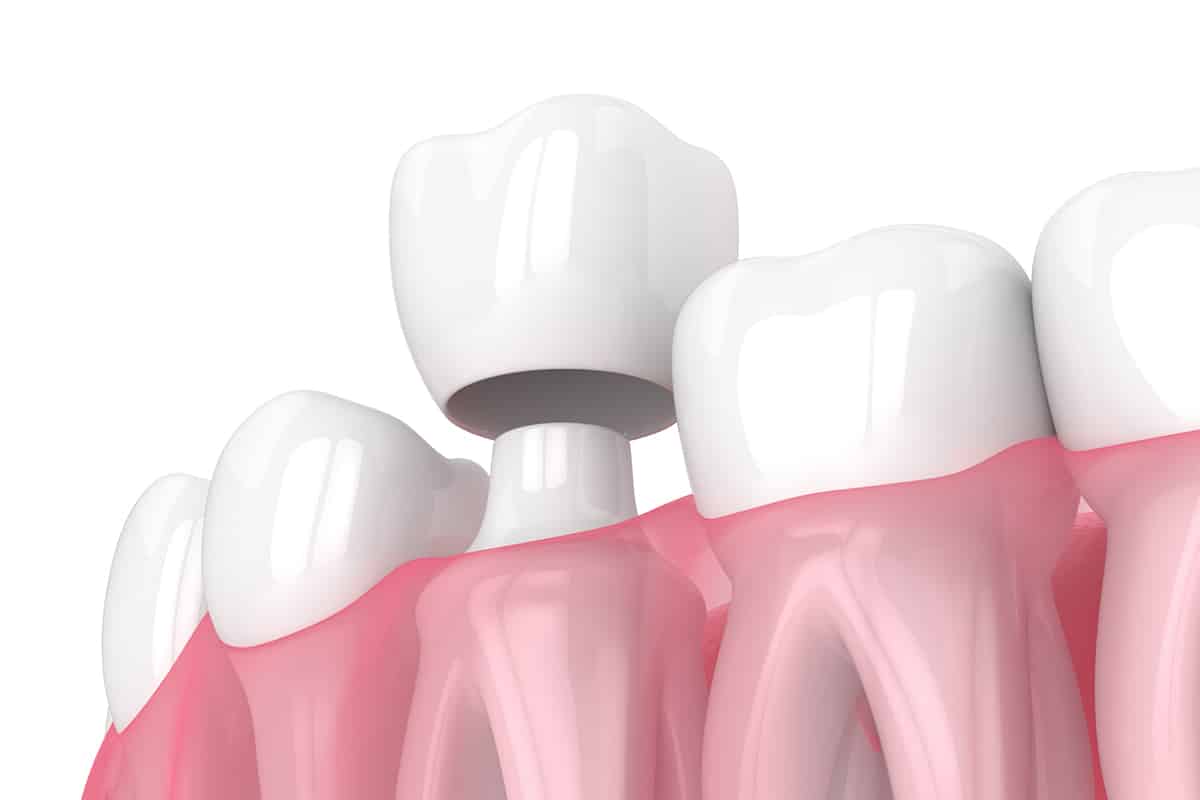
A dental crown is a method of repairing a tooth that is damaged, decayed, weakened, or worn. When a large portion of the natural crown can’t be saved, a dental crown can be placed over the remaining tooth material to provide a lasting restoration.
If you have a tooth that needs a crown, you may be wondering how much it will cost. This is a common concern when choosing between treatment options. Various factors will affect the overall cost of treatment, including materials, laboratory work, and individual treatment needs.
This article will provide information on the average cost range of a dental crown and how it is determined to help you make a fully informed decision about your treatment.
What Factors Influence the Cost of a Dental Crown?
The price of a crown is not the same for everyone. There are many factors that contribute to the cost of a dental crown:
- Location of the tooth. Where the tooth is situated in your mouth can affect the cost. Teeth near the back are more difficult to access and tend to be larger, resulting in a higher cost.
- Complexity. The overall complexity of your case will be reflected in the cost of treatment, which includes advanced diagnostics and treatment planning.
- Material quality. Higher quality materials may cost more upfront, such as porcelain, but offer a more natural looking and longer lasting result.
- Preparation. If preparatory procedures are needed, such as crown lengthening or root canal therapy, those will factor into the overall cost of treatment.
- Individual treatment needs. Each crown restoration is customized to the specific needs of the patient, resulting in cost variation from one patient to another.
Comparing Dental Crown Materials and Their Costs
Common crown materials include:
- Porcelain crowns: $1000-$2500 per tooth. Porcelain crowns are known for their strength and natural appearance.
- Porcelain-fused-to-metal crowns: $800-$2000 per tooth. Porcelain-fused-to-metal crowns offer the strength of metal with the look of porcelain.
- Zirconia crowns: $1200-$2500 per tooth. Zirconia is stronger and more stain resistant than porcelain, making it a higher quality material. However, it does not look as natural.
- Gold or metal alloy crowns: $800-$2500 per tooth. Gold or metal alloy is extremely strong, making it ideal for back molars. It does not provide a natural appearance for front teeth, however, some patients choose metal crowns for their own unique look.
Understanding Dental Lab Fees and Custom Fabrication
Crowns are custom-made to fit each patient's tooth. Images that are created by your dentist are sent to dental laboratories where skilled technicians create dental crowns that meet the exact specifications provided. Advanced technology and customization techniques are used to ensure proper fit and appearance. Precision and quality contribute to long-term function and appearance.
Additional Treatment Options That May Affect Cost
In some cases additional procedures may be needed before crown placement:
- Root canal therapy. Some teeth will need to be treated with root canals before the placement of a crown.
- Core build-ups. A severely damaged tooth may need to have structural restoration to be able to support a crown.
- Replacing old restorations. Previous crowns or fillings may need to be removed before the tooth can be fitted for a crown.
- Treating decay or fractures. Cavities or cracks in teeth will need to be treated before a crown can be placed.
These treatments can influence the total investment in care, but individualized care is essential for lasting results and long-term oral health.
Insurance Coverage and Financing Considerations
Many dental insurance plans provide partial coverage when crowns are medically necessary. Review your benefits and discuss coverage with our office to get the most out of your plan. For those without insurance, or who are left with a significant copay, financing and payment options can make the cost of treatment more affordable.
Investing in Long-Term Oral Health
A well-made dental crown is essential when it comes to protecting and restoring a tooth. Cost should be considered alongside durability, aesthetics, and long-term outcomes. At Ryan Senft, DDS we believe that your care should be personalized to meet your oral health needs and help you get the most out of your investment. Contact us today to schedule a consultation to receive a personalized treatment plan and estimate.
Frequently Asked Questions About Dental Crowns
How long does a dental crown typically last?
With proper care and regular dental visits, many crowns can last 10 to 15 years or longer. Longevity depends on the material used, oral hygiene habits, and bite forces.
Are zirconia crowns more expensive than porcelain crowns?
Costs vary by case and location, but zirconia crowns are often comparable to or slightly higher in price due to their strength and durability.
Does dental insurance cover crown treatment?
Many insurance plans provide partial coverage when a crown is needed to restore a damaged tooth. Coverage amounts vary by plan and provider.
Can a crown be repaired if it becomes damaged?
Minor chips may sometimes be repaired, but significant damage often requires crown replacement. A dentist can determine the most appropriate solution.
How do I know which crown material is right for me?
The best material depends on factors such as tooth location, cosmetic goals, durability requirements, and budget. Your dentist can recommend the most suitable option during your consultation.
At Cupertino Dental, we are committed to helping patients achieve healthy, functional, and confident smiles through personalized dental care. Our team combines advanced technology with a patient-centered approach to provide high-quality restorative and preventive treatments tailored to each individual's needs. To learn more about your treatment options or schedule an appointment, contact us today.