Oral cancer is not always recognized as a common type of cancer. But it accounts for about 3% of all cancers in the U.S. and is the 13th most common cancer in the world. The lifetime risk of oral cancer is 1 in 59 for men and 1 in 139 for women.
The good news is that oral cancer has an 80-90% survival rate with early detection (stage 1 or 2). Oral cancer is most often detected through screenings conducted by your dentist during routine oral examinations. If you go to the dentist twice a year as is recommended, you are receiving an oral cancer screening every 6 months.
What Is an Oral Cancer Screening?
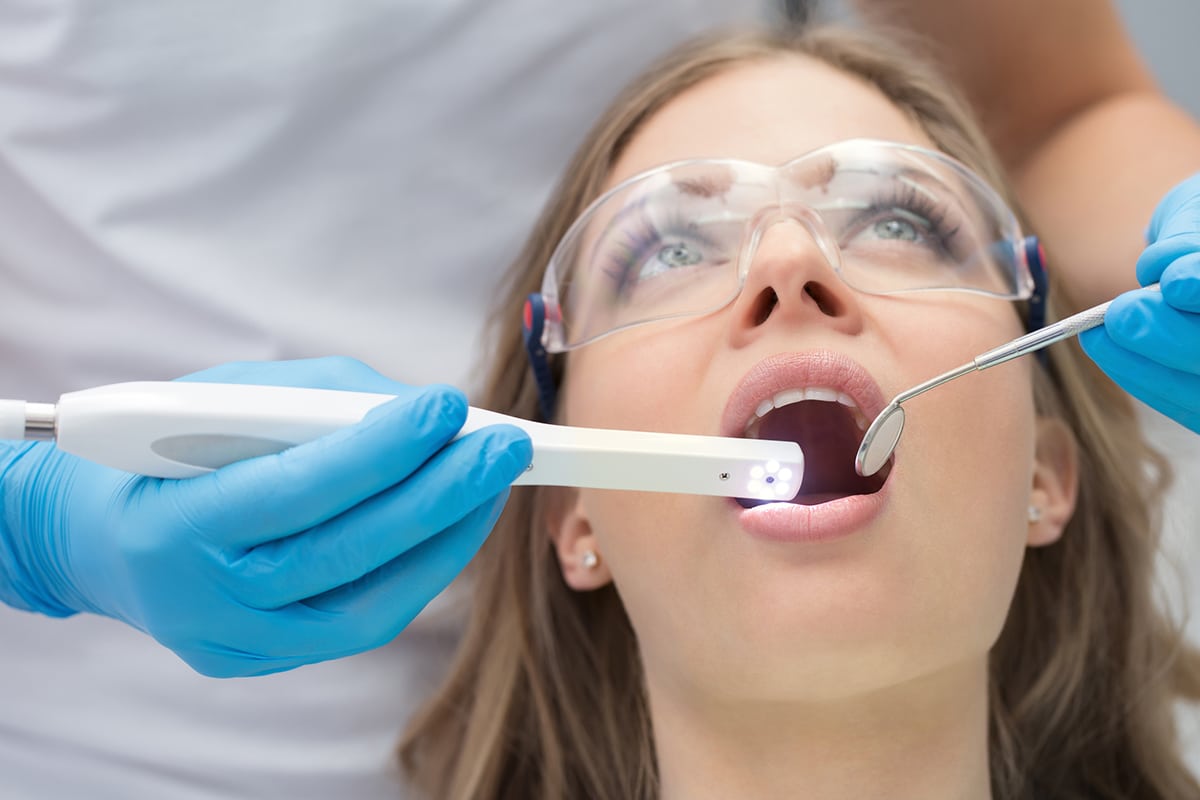
An oral cancer screening is a visual and physical examination of the mouth, lips, tongue, throat, and surrounding tissues. Your dentist will look and feel for any abnormalities such as sores, lesions, or lumps that may indicate the presence of cancerous growths. Screenings are typically included in comprehensive dental exams, either before or after teeth cleanings.
Why Oral Cancer Screenings Matter
Oral cancer can be serious if it progresses to the advanced stages. In the early stages it is more easily treatable with a more positive prognosis. But when it is not detected and treated, it can spread to the lymph nodes and other areas of the body, increasing the risk of fatality. This is why screenings are an essential part of routine preventive dental care.
What Dentists Check During an Oral Cancer Screening
- Lips and gum tissue
- Cheeks and floor of the mouth
- Tongue, including sides and underside
- Roof of the mouth
- Back of the throat
- Lymph nodes in the neck and jaw
The dentist looks for unusual sores, red or white patches, lumps, swelling, or changes in tissue texture. These are common signs of oral cancer.
Who Is at Higher Risk for Oral Cancer?
Some people may be at a higher risk of developing oral cancer than others. Common risk factors include:
- Tobacco use. People who smoke or use chewing tobacco are more likely to develop oral cancer.
- Heavy alcohol use. Those who drink heavily, defined as 8 or more drinks a week for women and 15 or more drinks a week for men, are at a higher risk of oral cancer.
- HPV. Contracting Human Papillomavirus, which is a sexually transmitted disease, can increase your risk. Getting the HPV vaccination can reduce your risk.
- Sun exposure to the lips. UVA and UVB rays can increase the risk of oral cancer in your lips. Wearing lip balm containing sunscreen can reduce your risk.
- Age. Your risk of oral cancer increases with age.
It is important to note that screenings are crucial for all adults, even those without major risk factors, because early detection saves lives.
Signs and Symptoms That Should Not Be Ignored
Warning signs include:
- Sores that do not heal
- Persistent pain
- Difficulty swallowing
- Hoarseness
- Numbness
- Unexplained lumps
If you notice these or any other unusual symptoms, contact your dentist to schedule an oral examination.
What Happens If Something Suspicious Is Found?
During your oral screening, if your dentist notices anything abnormal, the next steps will depend on the situation. Your dentist may recommend periodic monitoring to see if a suspicious spot worsens or improves. A biopsy may be recommended, which involves taking a sample of cells from a suspicious area to test for cancer. In some cases your dentist may refer you to a specialist for further evaluation and treatment. It is important to note that only 5-10% of oral biopsies result in cancer diagnosis.
Make Oral Cancer Screenings Part of Your Preventive Care Routine
The goal of preventive dentistry is to maintain your oral health to avoid problems that require treatment. Routine preventive care appointments should always include oral cancer screenings to allow for early detection and improved outcomes. If it has been more than 6 months since your last dental checkup, or if you have noticed any changes in your mouth, schedule an evaluation today with Ryan Senft, DDS. Call 408-996-8595 or contact us today to make an appointment.
Frequently Asked Questions About Oral Cancer Screenings
How long does an oral cancer screening take?
The oral cancer screening typically only takes only a few minutes during a regular exam. You may not even realize that your dentist is conducting a screening.
How often should I get screened for oral cancer?
Screenings are generally performed at routine dental visits every 6 months. This is the ideal frequency to allow for early detection.
At Ryan Senft, DDS, we believe preventive care is the foundation of long term oral health. Our team provides thorough exams and oral cancer screenings as part of every comprehensive visit to help protect your overall well being. We are proud to serve patients in Cupertino with attentive, personalized dental care. Contact us today to schedule an appointment.